
In a recent announcement, Chinese automaker XPENG has unveiled an audacious plan: the mass production of its xpeng humanoid robot by the end of 2026. This daring move aims to deploy these machines in its own retail stores as early as 2027, a timeline that has sent ripples through the tech and automotive industries. XPENG’s press release indicates that it is developing all critical systems—from proprietary chips to the AI software stack—entirely in-house for its ‘IRON’ platform. While the vision is compelling, a deeper investigation reveals a far more complex and uncertain reality.
Table of Contents
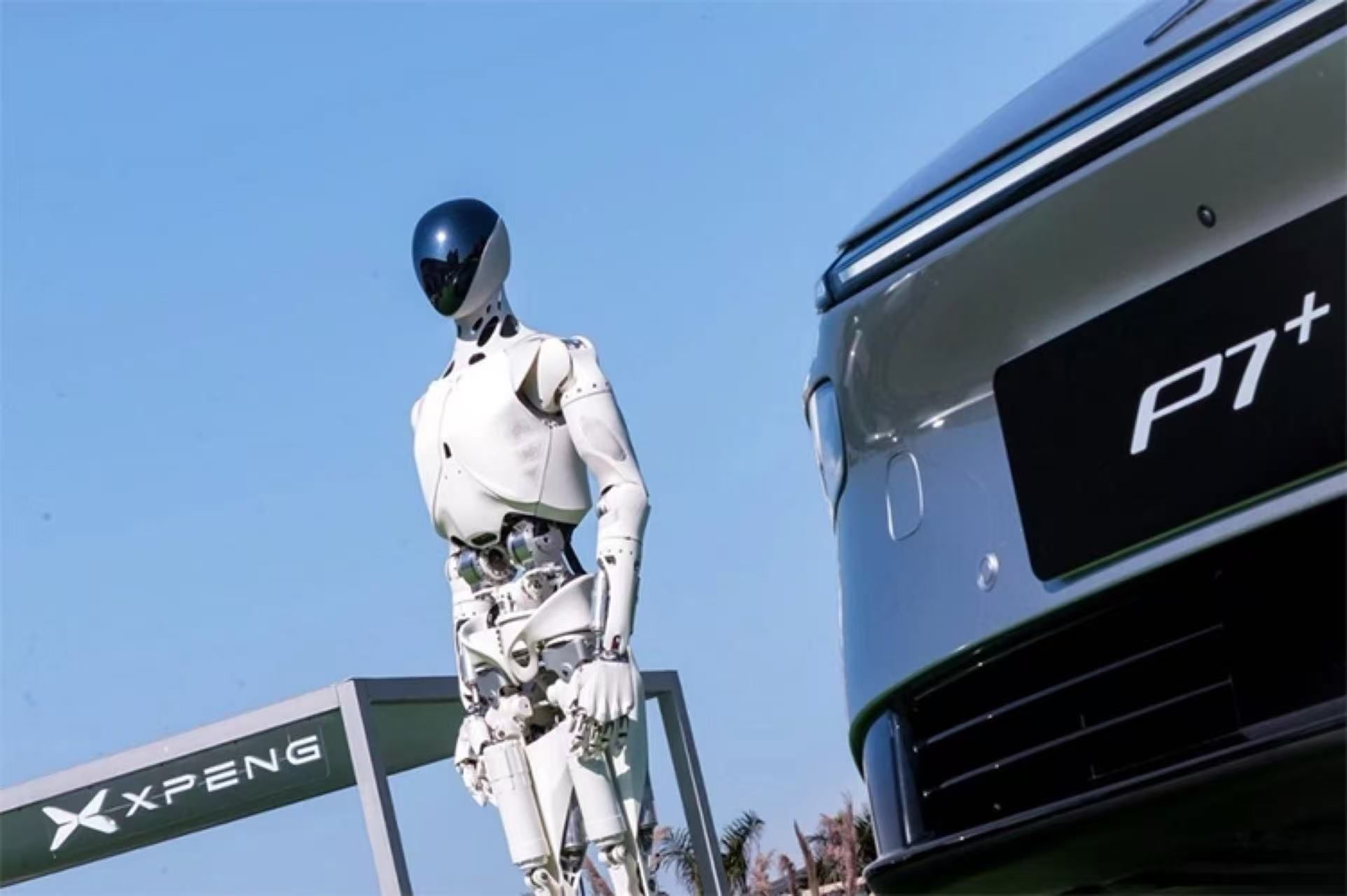
But this strategic declaration doesn’t exist in a vacuum. A skeptical look at the current landscape is imperative. The path to a functional, affordable, and safe the technology is fraught with monumental technical and logistical hurdles that have humbled even the most well-funded tech giants.
The Crowded Battlefield of Bipedal Bots
It’s crucial to understand that XPENG is stepping into an arena with well-funded titans. The most visible player, of course, is Tesla with its Optimus bot. Over the past few years, Tesla has been leveraging its enormous AI and manufacturing expertise, yet its progress, while steady, highlights the sheer difficulty of the challenge. Similarly, startups like Figure AI, backed by a consortium of tech giants including NVIDIA and Microsoft, have demonstrated notably advanced capabilities in their Figure 01 robot, focusing on factory and logistics tasks.
The main obstacle for any this innovation is not just walking, but performing useful work consistently in unstructured human environments. This requires a flawless fusion of advanced actuators for movement, long-lasting power sources, and a sophisticated AI “brain” capable of understanding and adapting to the real world. Experts privately admit that while XPENG has proven its mettle in electric vehicles, the leap to a mass-produced the system involves solving problems far outside of automotive engineering. The company’s claim of developing all systems in-house, while laudable for vertical integration, also presents a daunting risk if even one component falls behind schedule.
Recommended: Iranian cyber threats: A Critical Risk to US Infrastructure
Deconstructing XPENG’s Claims
Despite the forward-leaning statements, a critical analysis of their claims is warranted. The promise to mass-produce a complex it within roughly 18-24 months is highly aggressive. The track record of similar projects demonstrates that timelines for hardware-intensive AI projects almost invariably slip. Boston Dynamics, a pioneer in the field for decades, has only recently begun commercializing its robots on a smaller scale.
XPENG’s assertion of developing its own chips and AI stack in-house is a classic vertical integration play, mirroring strategies from Apple and Tesla. However, this is a double-edged sword. While it can lead to effective optimization, it also means XPENG is competing directly with specialized semiconductor firms and AI research labs that have a multi-year head start. It appears that the “in-house” systems for the the platform may still rely substantially on foundational technologies and hardware from third-party suppliers, a detail often glossed over in press releases. The real challenge will be whether their AI can achieve the general-purpose intelligence needed for retail—a far more chaotic environment than a structured factory floor.
The Regulatory and Commercial Friction Point
Aside from the hardware and software, the path for the the technology is blocked by significant real-world friction. The idea of deploying autonomous humanoid robots in public retail spaces in early 2027 triggers urgent questions about public safety, liability, and data privacy. Currently, the regulatory frameworks governing such deployments are woefully underdeveloped. A single incident could trigger a devastating regulatory backlash, not just for XPENG, but for the entire industry.
Additionally, the financial justification for a this innovation in a retail setting remains theoretically sound but practically untested. Will customers feel comfortable interacting with a robot? Can the robot perform tasks more cost-effectively than a human employee when accounting for its high development, manufacturing, and maintenance costs? Specialized reports indicate that the ROI on this first generation of humanoid robots is likely to be negative for years. The true value may not be in the retail application itself, but in the data collected and the manufacturing prowess gained for other, more viable industrial uses.
Read also: Zero trust architecture Exposes a Critical Industry Flaw
The Bottom Line on xpeng humanoid robot
When all is said and done, XPENG’s announcement feels more like a strategic declaration of intent than a guaranteed production timeline. The company is unquestionably a serious contender, leveraging its deep manufacturing experience. However, the claim of mass-producing a fully integrated the system for retail deployment by early 2027 seems borderline reckless given the monumental technical, economic, and regulatory mountains that must be climbed. This is less a product launch and more a high-stakes bet on accelerating its R&D.
Critical Signals to Watch:
* Monitor: XPENG’s ability to demonstrate a fully autonomous, multi-tasking prototype outside of a controlled lab environment by Q1 2027.
* A vital sign: Any announcements of partnerships with established AI or robotics component suppliers, which would contradict the “fully in-house” narrative.
* Follow: The emergence of specific regulatory guidelines for humanoid robots in public spaces in China and Europe, which will dictate the true commercial viability.
* Investigate: The company’s Q4 2026 and Q1 2027 financial reports for any mention of capital expenditure specifically allocated to the it production lines.
* Pay attention to: The reaction and counter-demonstrations from competitors like Tesla and Figure AI in the next six months.
For now, the xpeng humanoid robot is a powerful symbol of technological ambition. But investors, competitors, and the public should treat its aggressive timeline with a large dose of professional skepticism.